
The Illusion of Savings When Tackling Home Repairs Alone
We have all seen those viral videos promising that a simple household trick can replace a broken fixture, stop a leak, or fix a stubborn door for almost nothing. The allure is undeniable, especially when the cost of living continues to rise and every euro counts. However, there is a hidden reality that these quick-fix tutorials rarely mention. The true cost of a repair is not just the price of the glue, tape, or replacement part you buy at the local hardware store. It includes the time you spend watching tutorials, the risk of making the problem worse, and the potential for unsafe outcomes that could endanger your family or your property. In Spain, where housing regulations and building standards are quite specific, attempting a fix without understanding the broader implications can lead to complications that far exceed the initial savings. Many homeowners fall into the trap of thinking that because a repair looks simple on screen, it will be simple in practice. They overlook the structural nuances of their homes, the age of the installation, and the specific materials used in Spanish construction. This oversight often leads to a cycle of repeated fixes, where a temporary solution fails after a few weeks, requiring more time, more money, and ultimately, frustration. The initial pride of completing a task yourself quickly fades when you realize that the issue has not been resolved at its root. Instead of a one-time fix, you are now dealing with a recurring problem that could have been solved permanently by a professional from the start. This is a scenario that plays out in countless homes across the country, where the desire to save money leads to spending significantly more in the long run. The video content we often see online is designed for engagement, not for comprehensive problem-solving. It showcases the most visually appealing or dramatic moments of a repair, skipping over the meticulous preparation, the correct tool selection, and the safety checks that are essential for a lasting result. When you attempt to replicate these hacks without that crucial context, you are setting yourself up for potential failure. The hidden cost is not just financial; it is also the mental load of worrying whether your fix is safe, secure, and compliant with local standards. This anxiety can undermine the very comfort and peace of mind that your home is supposed to provide. Understanding this dynamic is the first step in making smarter decisions about how to maintain your living space. It requires shifting the perspective from seeing repairs as a chore to be avoided or a quick task to be completed, to viewing them as investments in the longevity and safety of your property. When you recognize that a professional service is not an unnecessary expense but a safeguard against future costs, you begin to see the real value in expert intervention. This mindset shift is particularly important in a market where the quality of workmanship can vary, and finding the right professional is key to ensuring that your investment is protected. The challenge lies in identifying when a DIY approach is appropriate and when it is better to seek help, a distinction that many homeowners struggle to make without clear guidance. The following sections will delve deeper into this distinction, providing you with the tools and knowledge to navigate the world of home repairs with confidence and clarity.
When the Quick Fix Becomes an Expensive Mistake
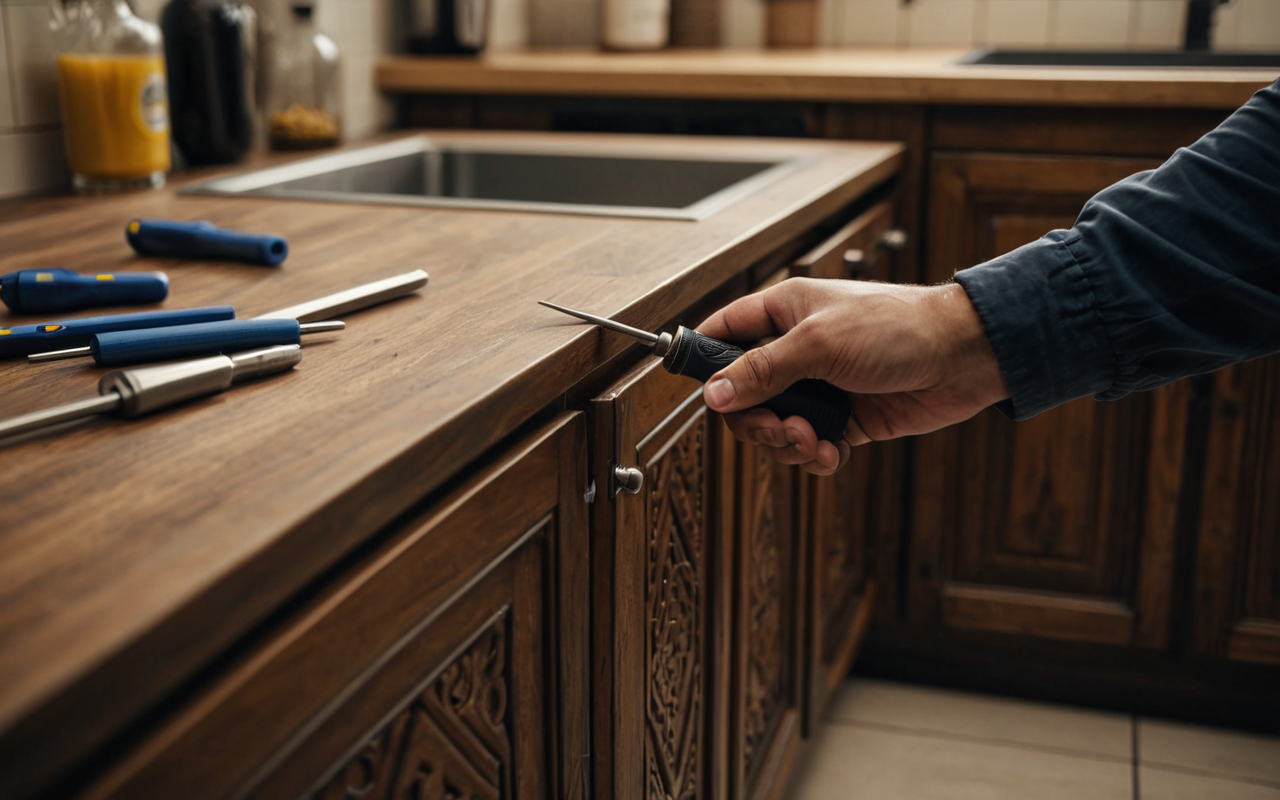
Consider the common scenario of a leaking pipe. A quick search online might suggest using a waterproof tape or a temporary sealant to stop the drip. This seems like a brilliant, immediate solution that allows you to avoid calling a plumber. You apply the fix, and for a few days, everything is fine. The leak stops, and you feel triumphant. However, what you cannot see is the pressure building up behind that temporary patch. Water is a persistent force, and it will eventually find a way through. When the seal fails, it often does so catastrophically, leading to significant water damage that affects the walls, the flooring, and potentially the electrical systems in the room. The cost of repairing the pipe is now dwarfed by the expense of fixing water damage, mold remediation, and replacing ruined materials. This is a classic example of how a small, seemingly inexpensive DIY repair can spiral into a major financial burden. In Spain, where many homes are older and have complex plumbing systems, the risk of making such mistakes is even higher. The materials and techniques used in the past may not be compatible with modern quick-fix solutions, leading to unexpected failures. Furthermore, there is the issue of safety. Electrical repairs are another area where DIY attempts can have dire consequences. A simple switch replacement might seem straightforward, but if not done correctly, it can lead to short circuits, fires, or electrocution. The stakes are incredibly high, and the potential for harm is real. This is why it is crucial to understand the limitations of your own skills and the complexity of the task at hand. Not every repair is a candidate for a DIY approach. Some issues require specialized knowledge, tools, and training to resolve safely and effectively. Attempting to tackle these problems without the proper expertise is not just risky; it is irresponsible. The peace of mind that comes from knowing a job has been done correctly by a qualified professional is invaluable. It allows you to enjoy your home without the constant worry that something might go wrong. This sense of security is something that no amount of saved money can buy. When you weigh the initial savings of a DIY repair against the potential for costly mistakes and safety hazards, the decision often becomes clear. Investing in professional services is not a sign of weakness or incompetence; it is a smart, responsible choice that protects your home and your family. It ensures that repairs are done right the first time, saving you time, money, and stress in the long run. This perspective is essential for anyone looking to maintain their property effectively. It requires a willingness to admit that some things are better left to the experts, a mindset that can lead to better outcomes and a more comfortable living environment. The next section will explore how to identify these critical situations and make informed decisions about when to call in the professionals.
The Real Value of Professional Expertise in Home Maintenance
Professional repair services offer more than just a solution to a specific problem. They bring a wealth of experience, knowledge, and resources that are impossible to replicate in a DIY setting. Skilled technicians have seen it all, from common issues to rare and complex problems. They know how to diagnose the root cause of a malfunction, not just the symptoms. This diagnostic ability is crucial for ensuring that a repair is lasting and effective. They also have access to specialized tools and materials that are not readily available to the average homeowner. These tools allow them to perform repairs with precision and efficiency, reducing the risk of errors and damage. In addition, professionals are insured and bonded, providing an extra layer of protection for you and your property. If something goes wrong during a repair, you are covered. This is a significant advantage that DIY enthusiasts cannot offer. Furthermore, hiring a professional supports the local economy and contributes to the sustainability of skilled trades. It ensures that expertise is preserved and passed on, maintaining the high standards of workmanship that are essential for safe and durable construction. In Spain, where craftsmanship is highly valued, finding a reliable professional can be a game-changer for your home maintenance routine. There are platforms and services that connect homeowners with vetted, skilled repair professionals, making it easier than ever to find the right person for the job. These services often provide guarantees on their work, giving you additional peace of mind. They also offer transparent pricing, so you know exactly what you are paying for upfront. This transparency helps to build trust and ensures that you are getting fair value for your money. When you choose to work with professionals, you are investing in the long-term health and safety of your home. You are ensuring that repairs are done correctly, efficiently, and safely, which ultimately saves you money and hassle in the future. This approach is particularly beneficial for major repairs or projects that involve structural changes, electrical work, or plumbing. These are areas where mistakes can be costly and dangerous, and where professional expertise is non-negotiable. By prioritizing professional services for these critical tasks, you can focus your DIY efforts on smaller, less risky projects that can still be satisfying and rewarding. This balanced approach allows you to enjoy the benefits of DIY while mitigating the risks associated with more complex repairs. It is a strategy that promotes a healthy, safe, and well-maintained home environment. The following section will provide practical tips on how to identify reputable professionals and ensure that you are making the best choice for your needs.
How to Choose the Right Repair Professional for Your Needs
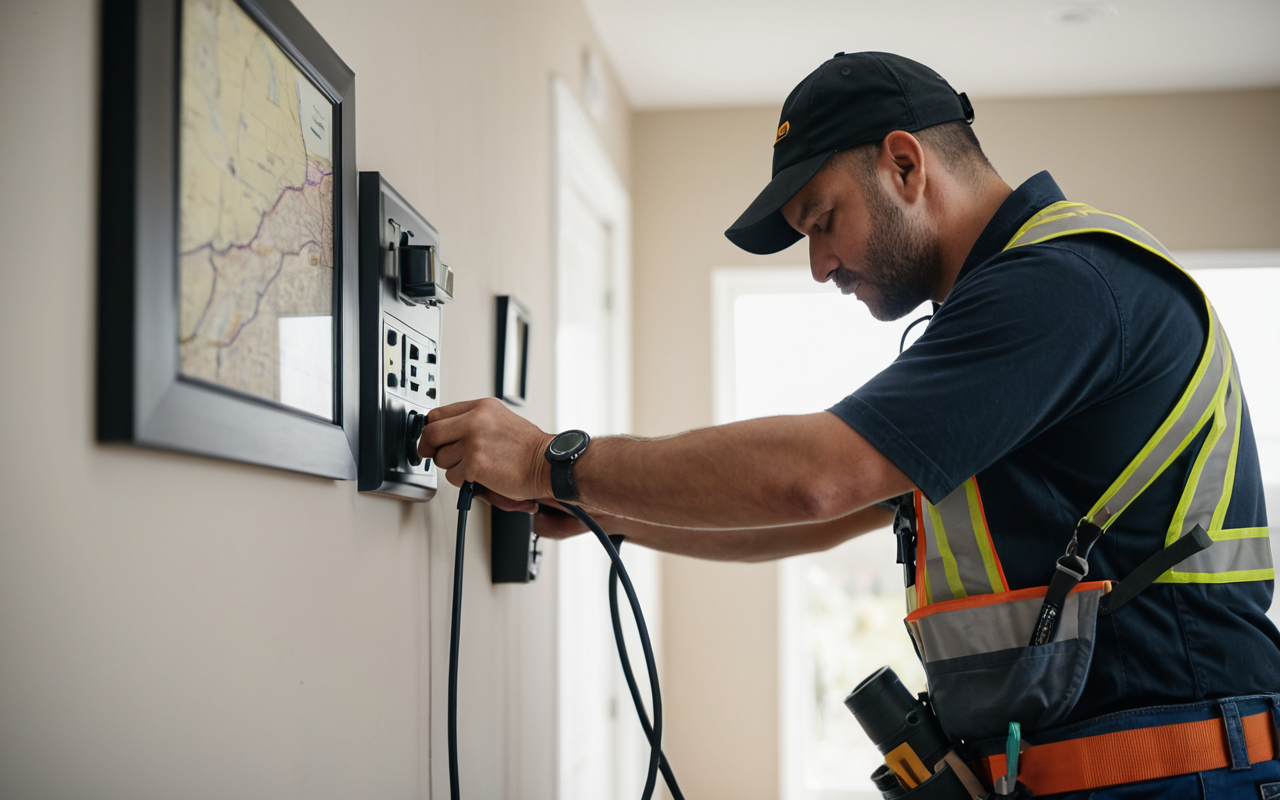
Selecting the right repair professional is a critical step in ensuring a successful outcome for your home maintenance projects. With so many options available, it can be overwhelming to know where to start. The first thing to look for is credentials and certifications. Ensure that the professional is licensed and insured to work in your area. This protects you from liability in case of accidents or damage. Next, check their reputation by reading online reviews and asking for references from past clients. This gives you insight into their work quality, reliability, and customer service. It is also important to get multiple quotes for the job. This allows you to compare prices and services, ensuring that you are getting a fair deal. Be wary of quotes that are significantly lower than others, as this may indicate poor quality work or hidden costs. Communication is another key factor. A good professional will listen to your concerns, explain the problem clearly, and outline the proposed solution. They should be responsive and willing to answer your questions. This level of transparency helps to build trust and ensures that you are comfortable with the work being done. Additionally, consider their experience with the specific type of repair you need. Some technicians specialize in certain areas, such as plumbing, electrical work, or carpentry. Finding someone with expertise in your particular issue can lead to better results. In Spain, there are various platforms and apps that connect homeowners with vetted professionals, making the selection process easier and more reliable. These services often provide detailed profiles of each technician, including their qualifications, reviews, and areas of expertise. This information can help you make an informed decision and find the right match for your needs. Another important aspect is the warranty or guarantee offered on the work. A reputable professional will stand behind their work and offer a guarantee that covers any issues that may arise after the repair is completed. This provides additional peace of mind and ensures that you are protected. Finally, trust your instincts. If something feels off or you are uncomfortable with the professional for any reason, it is okay to look for someone else. Your comfort and confidence in the person working on your home are important. By taking the time to carefully evaluate your options, you can find a reliable and skilled professional who will deliver high-quality work and give you the peace of mind you deserve. This careful selection process is an investment in the long-term value and safety of your home. It ensures that your repairs are done correctly and efficiently, saving you time, money, and stress in the future. The next section will provide practical tips for maintaining your home and preventing common issues before they become major problems.
Proactive Maintenance Strategies for a Safer and More Efficient Home
Prevention is always better than cure when it comes to home maintenance. By taking a proactive approach, you can identify and address potential issues before they escalate into major problems. Regular inspections of your home are essential. Check for signs of wear and tear, leaks, cracks, or other damage. Pay attention to areas that are prone to moisture, such as bathrooms and kitchens, as well as the roof and exterior walls. Addressing these issues early can save you significant money and hassle in the long run. Cleaning and maintaining appliances and systems is another important aspect of proactive maintenance. Regularly clean filters, drains, and vents to ensure optimal performance and prevent breakdowns. This not only extends the life of your appliances but also improves energy efficiency and indoor air quality. Additionally, consider seasonal maintenance tasks. For example, before winter, check your heating system and insulate windows to prevent heat loss. In the summer, inspect your air conditioning system and clean outdoor units to ensure they are running efficiently. These seasonal checks can help you avoid costly repairs and keep your home comfortable throughout the year. It is also a good idea to keep a maintenance log. This record can help you track when repairs and maintenance tasks were performed, making it easier to plan future work and identify patterns or recurring issues. This documentation can also be valuable if you decide to sell your home, as it demonstrates that you have taken good care of the property. In Spain, where the climate can vary significantly across regions, seasonal maintenance is particularly important. Understanding the specific needs of your home based on its location and construction can help you tailor your maintenance routine for maximum effectiveness. Another key strategy is to stay informed about new technologies and materials that can improve your home's efficiency and durability. There are always new products and techniques emerging in the home improvement industry. Keeping up-to-date with these developments can help you make smarter choices when it comes to repairs and upgrades. For example, energy-efficient appliances and smart home technologies can reduce your utility bills and improve your comfort. Investing in these upgrades can pay off in the long run by lowering your operating costs and increasing the value of your property. Finally, consider hiring a professional for a comprehensive home inspection annually. This can provide a thorough assessment of your home's condition and identify any hidden issues that you may have missed. This proactive approach can help you plan for future repairs and budget accordingly, avoiding unexpected expenses. By implementing these proactive maintenance strategies, you can create a safer, more efficient, and more comfortable living environment. You will also save money by preventing major repairs and extending the life of your home's systems and components. This holistic approach to home maintenance is a smart investment in your well-being and your property's value. It ensures that your home remains a safe and enjoyable place to live for years to come.


Comments ()